
About Targa Classica
Targa Classica is a four-day road and lifestyle event for classic and modern cars: a regularity competition on some of Victoria’s best driving roads, where the whole field stays and eats together each night.
01
How it is won
This is a regularity event. Crews aim to match exact times (PCs) and average speeds (PMs) on closed or controlled sections, timed to 1/100th of a second. The fewest penalty points over four days wins.
02
Who can enter
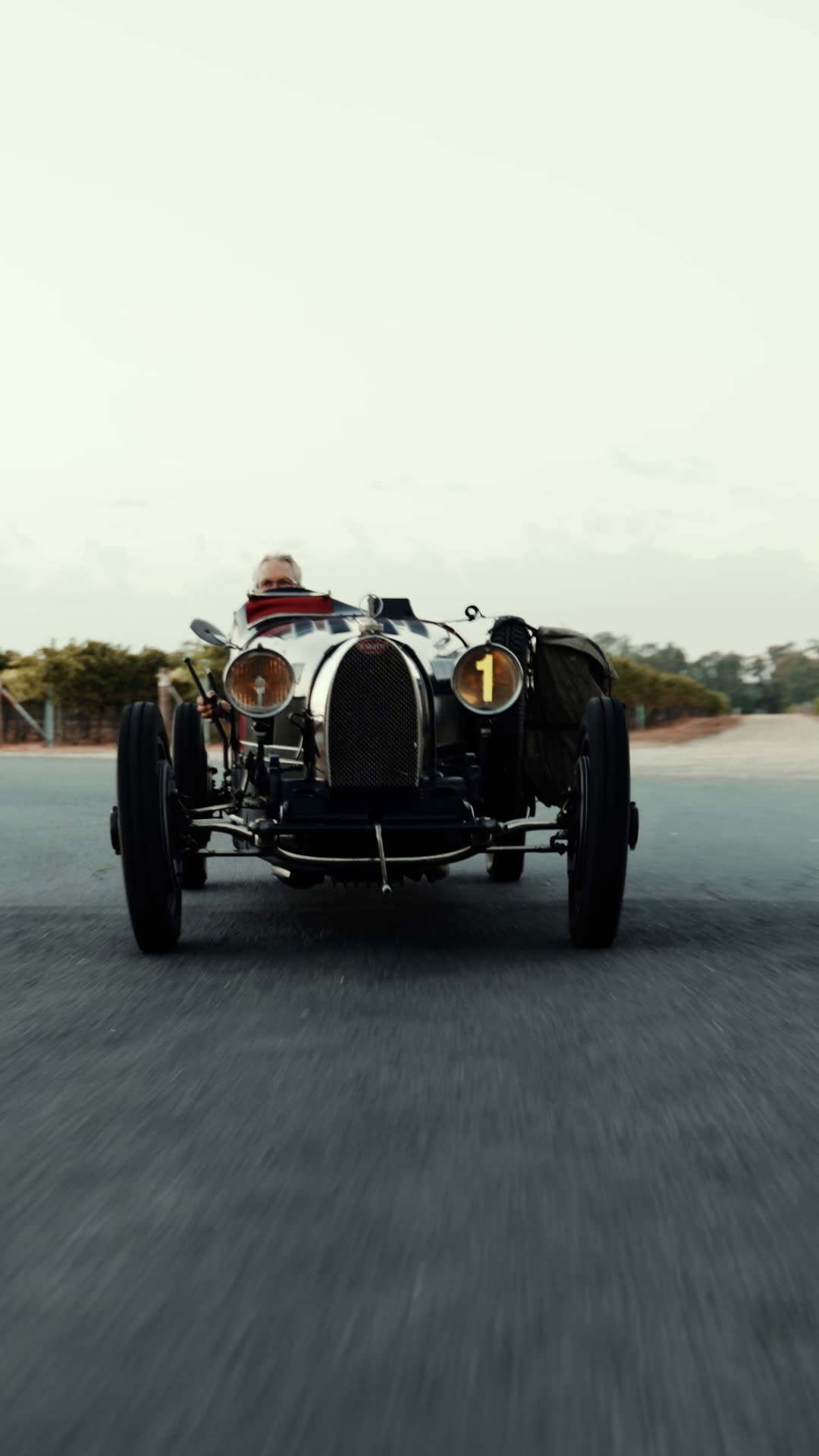
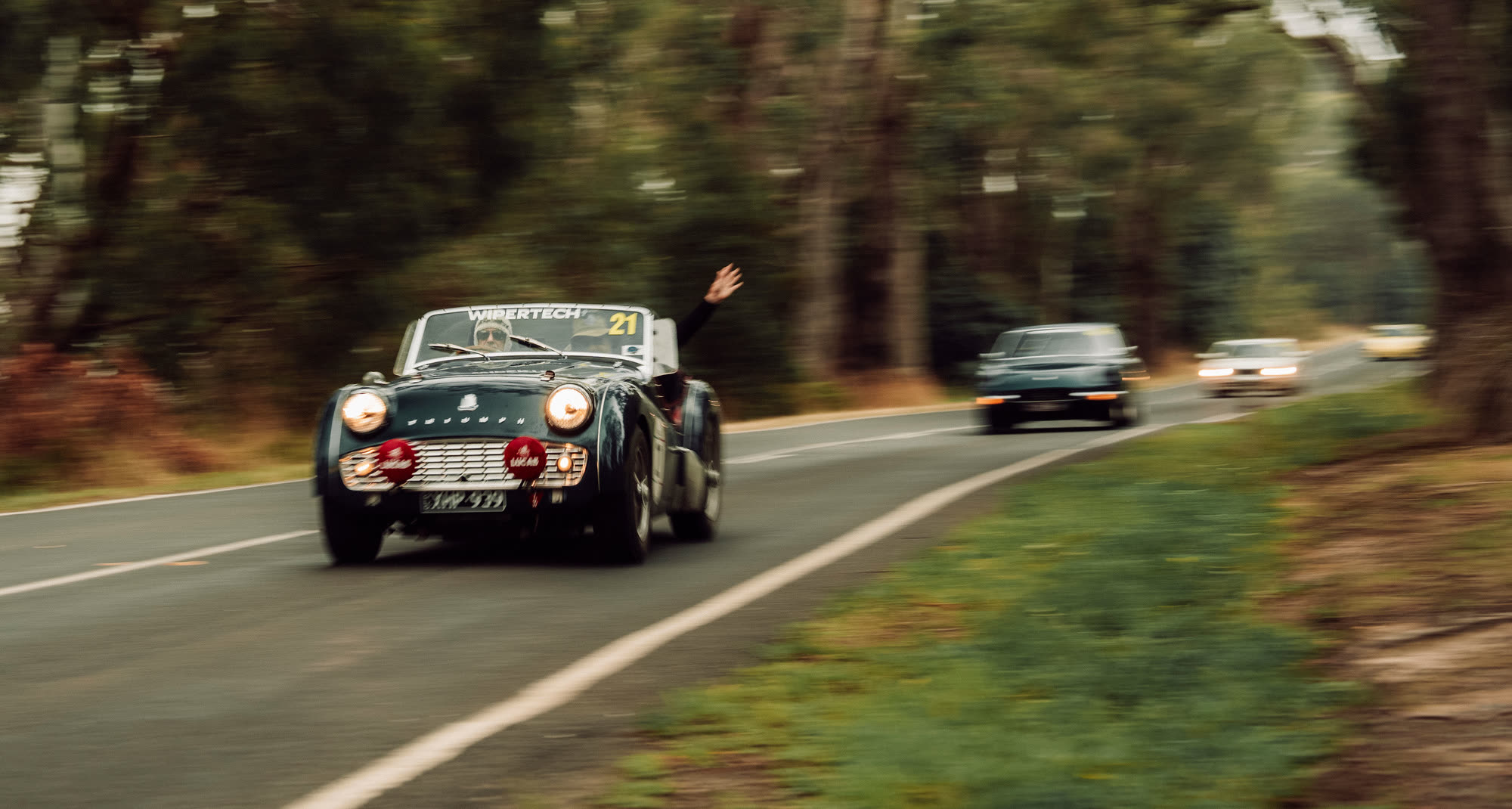
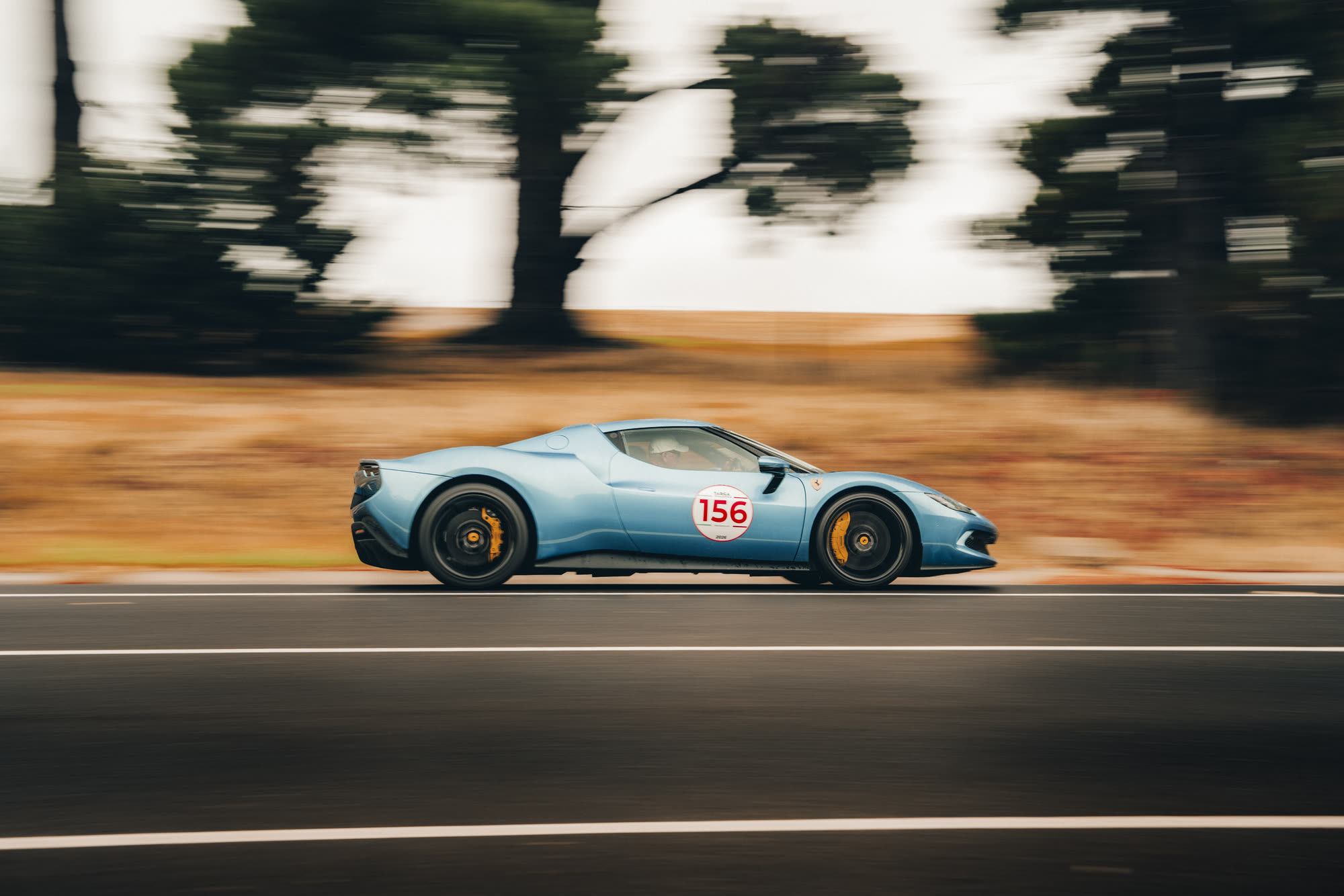
Enter in one of two categories: Classica (1906 to 1976) for historic vehicles, and Legends (1976 to present) for more modern vehicles. In 2026 the field brought together 28 marques, pre-war tourers running alongside modern supercars.
Vehicle Eligibility
Vehicles must be road-registered or legally permitted to drive on public roads.
Entries compete in two categories:
- 1. Classica (1906 to 1976): Historic vehicles.
- 2. Legends (1976 to present): More modern vehicles.
Targa Classica also has a teams category, the "Scuderia Trofeo" for an extra layer of friendly competition.



Contains flashing images
03
The nights
The driving is half of it. The whole field, about 250 people, sits down to dinner together every night, four nights, in a new town each time.
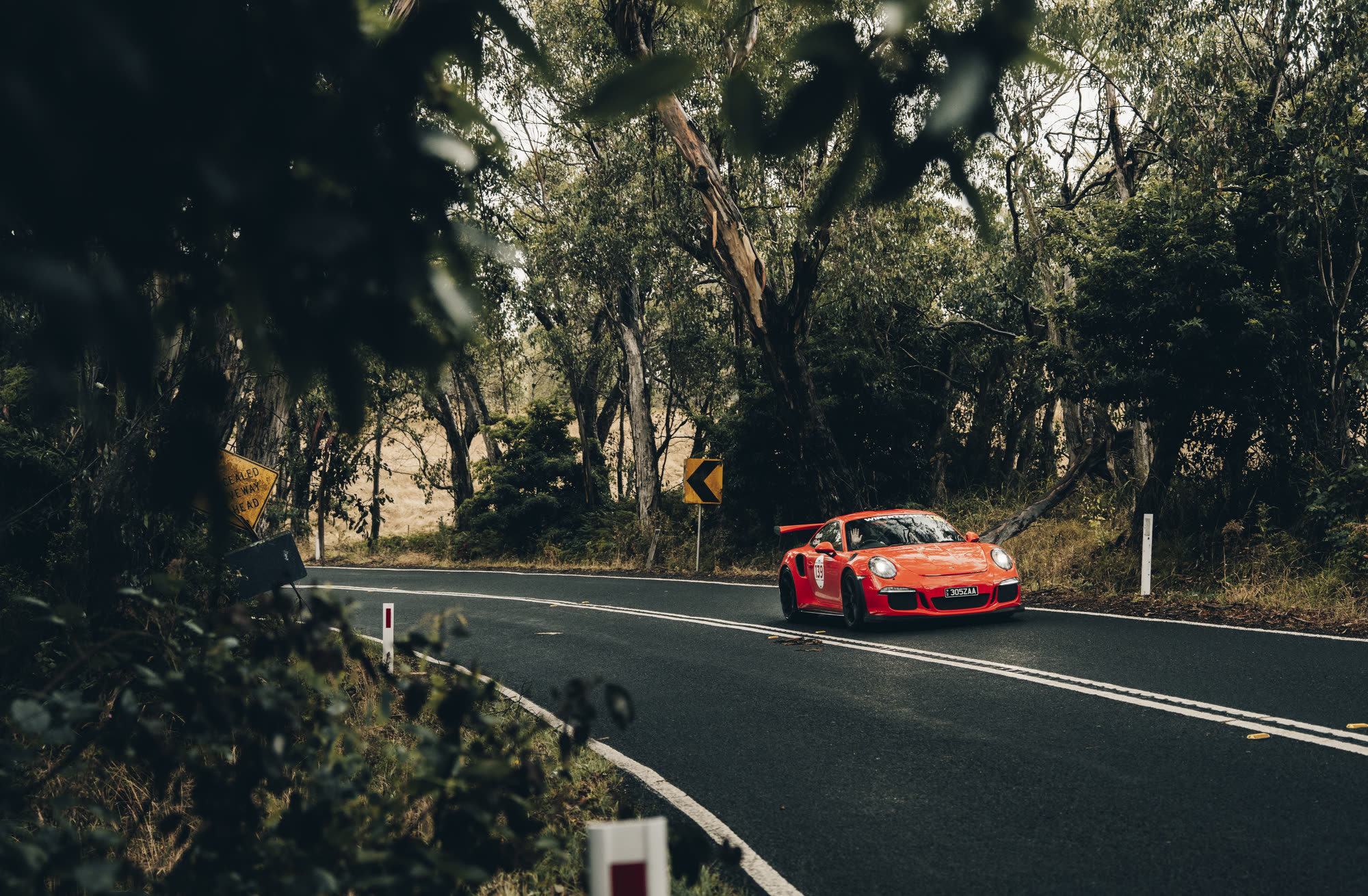
The Targa Classica difference
Four days, fun roads and a group of people who start as strangers and finish as family. The cars, from the 1920s to today, are what bring us together.
-
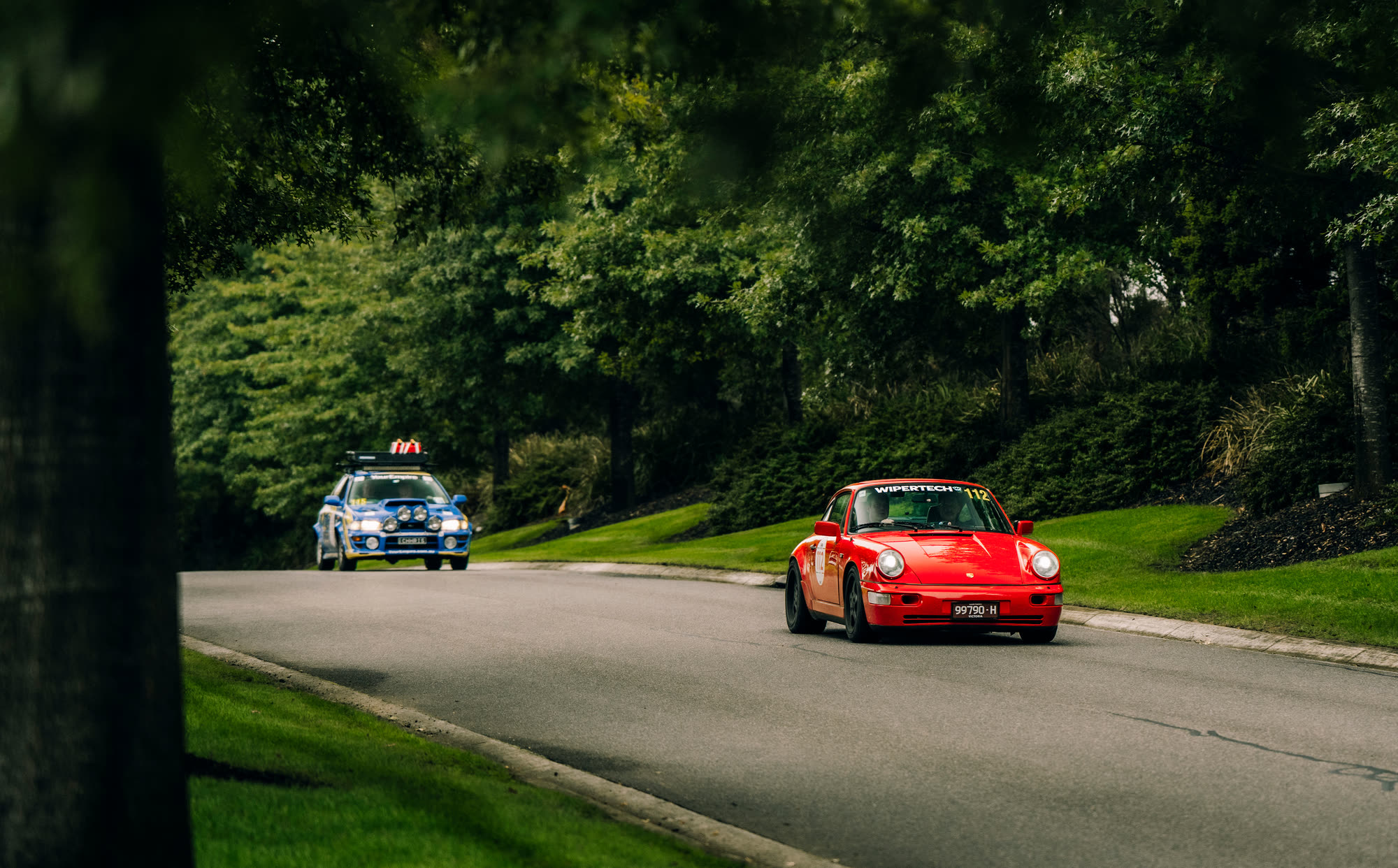
Cars
Every era and marque is welcome.
-
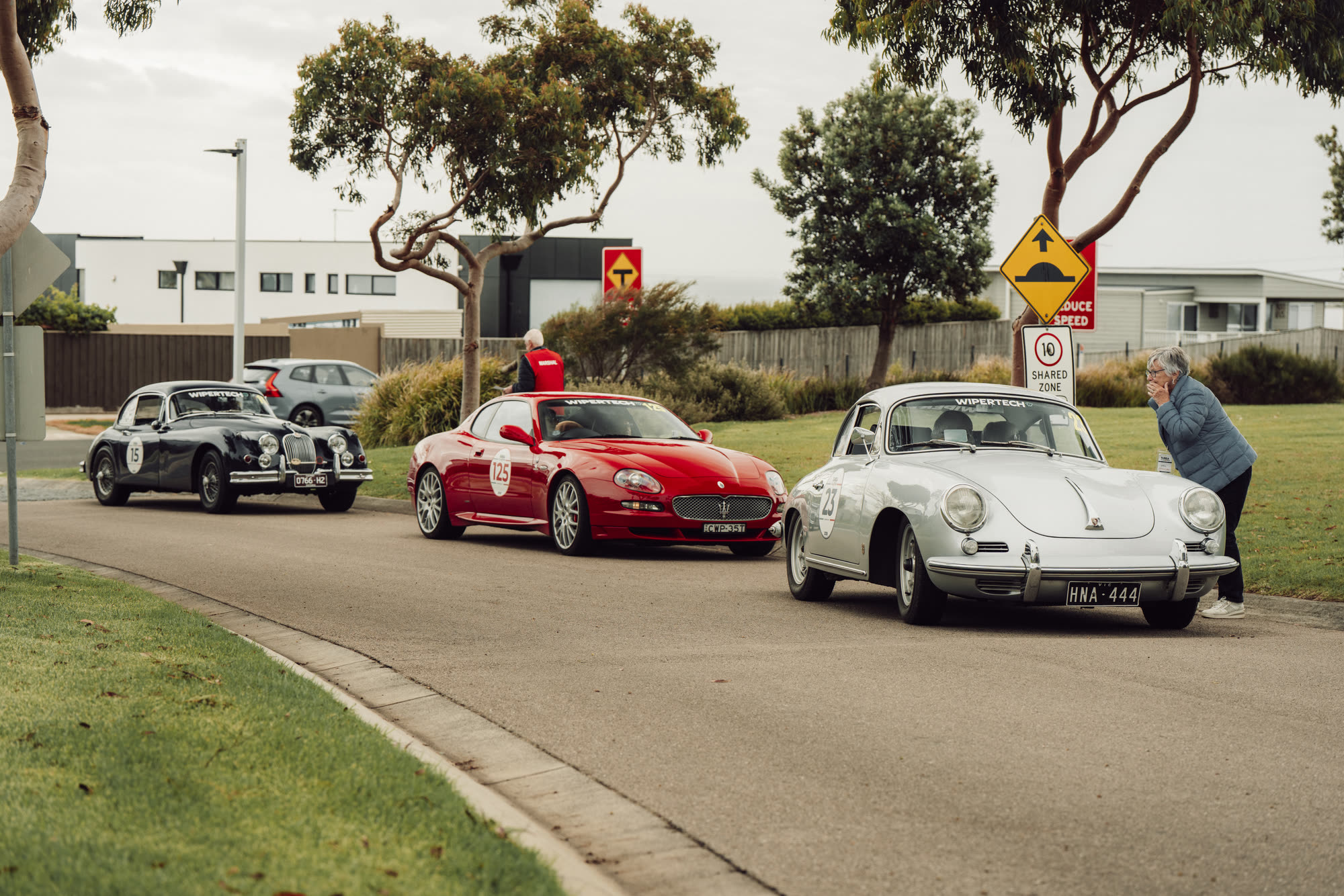
Competition
A regularity format that rewards precision and teamwork. Whether you’re chasing a podium or just out for the drive, you can lean into the competitive side as much or as little as you like.
-
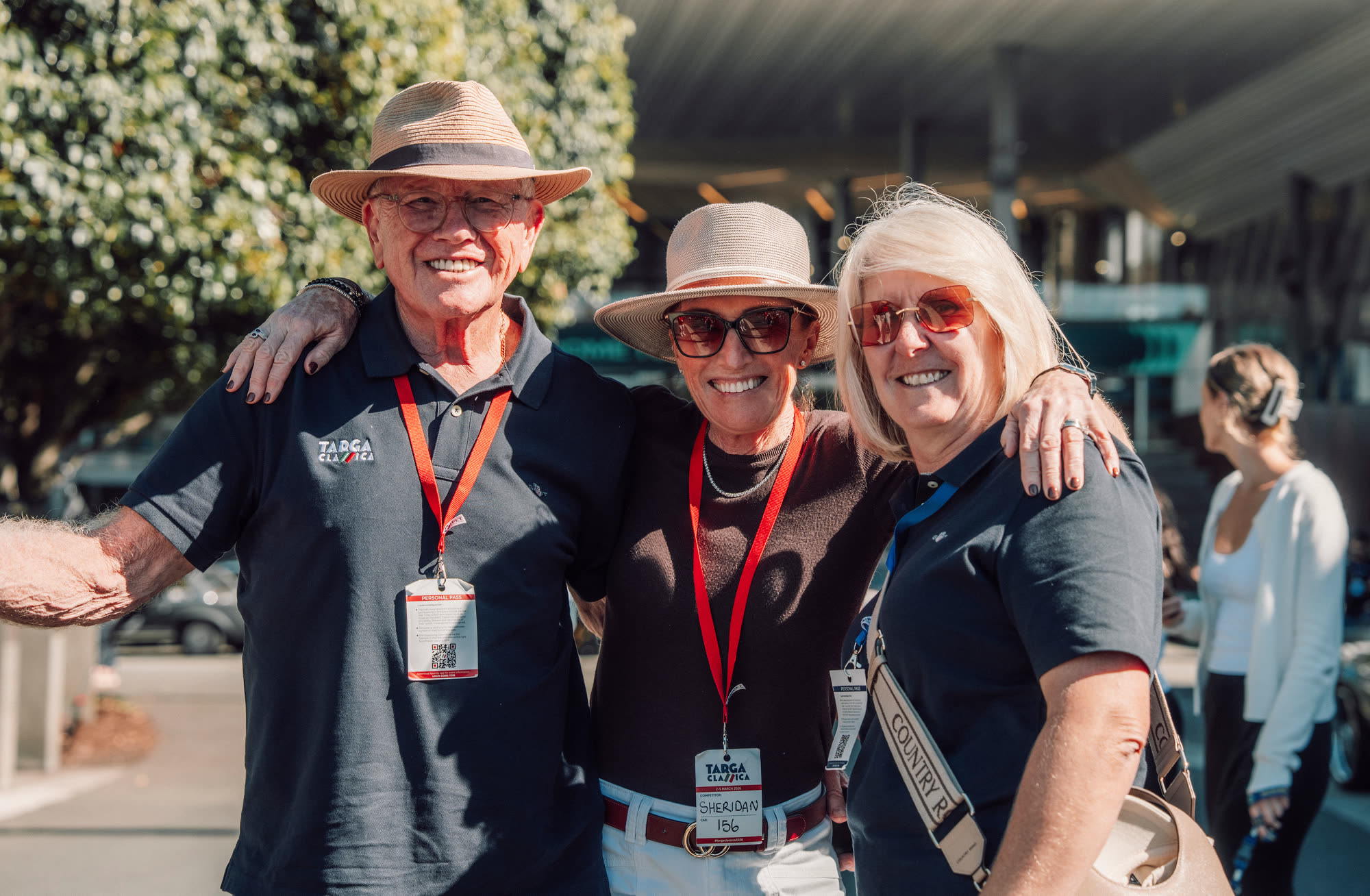
People
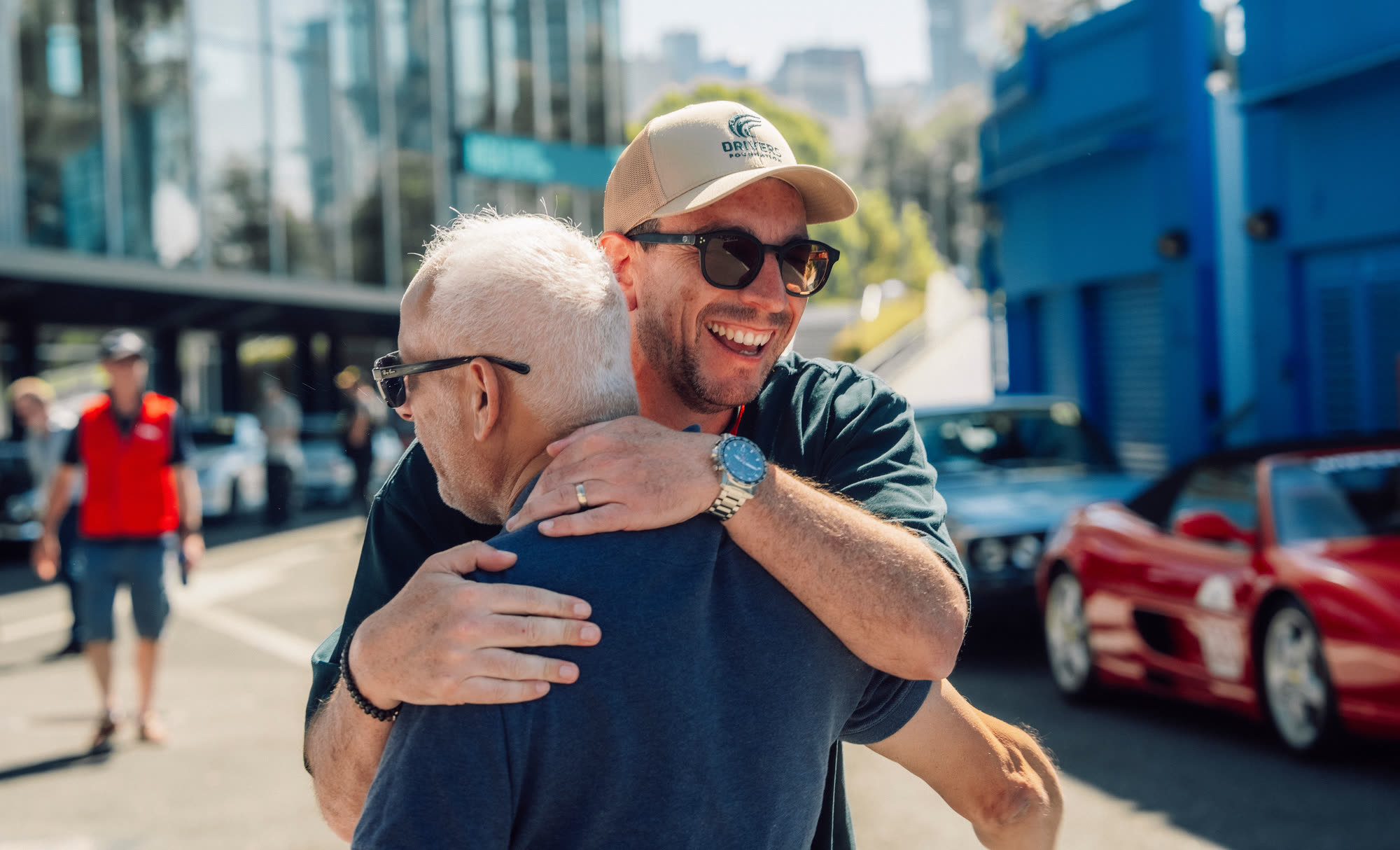
The Targa Classica culture is built on community and a shared passion. First-timers are supported, and friendly rivalry quickly turns into camaraderie. You’ll trade tips at controls, share tools in carparks and swap stories over dinner.
-
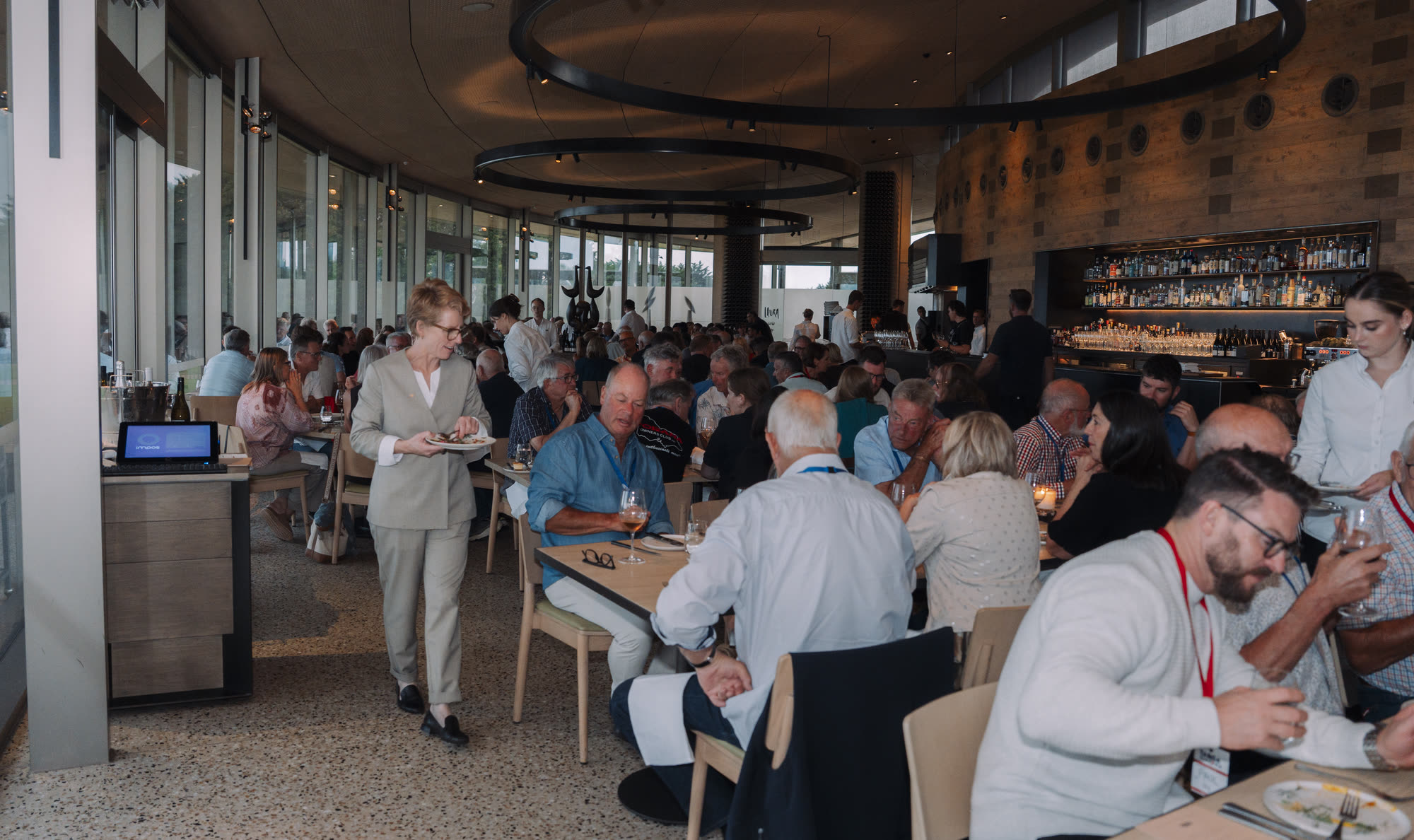
Lifestyle
Local hospitality and produce, shared stories and easy conversation. The social side surrounds the cars and reminds us why we do it.
-
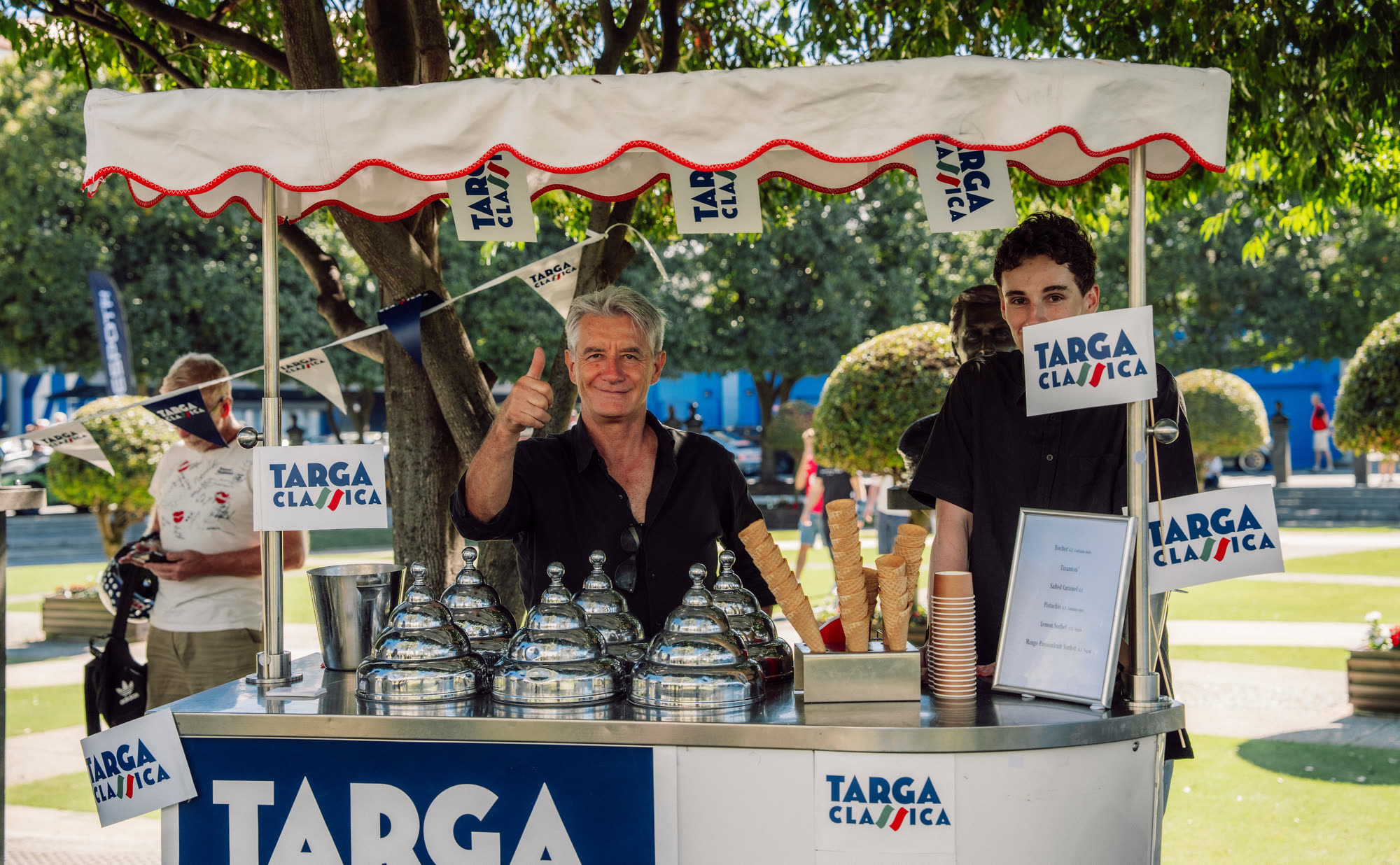
Community
Along the route, regional communities open their doors with local produce, wine and hospitality, while spectators line the roads and media follow the field.
What is a Regularity?
A regularity rally rewards accuracy and precision. You follow the route to a series of set trials. Cars are required to match exact times (PCs) or average speeds (PMs). If the car arrives early or late, fast or slow, at the timing tube or hidden timing points, it receives penalties. The fewest penalties accumulated over the 4 days of the event wins.
01
Time Trials (exact time): “PC”, Prove Cronometrate.
Over 4 days competitors will experience 60 to 70 PCs. PCs require the car to travel between tubes laid on the road in exact time.
- Typically, there are 3 to 5 PCs grouped together.
- The time between the tubes is recorded to 1/100th of a second.
02
Average Speed Tests: “PM”, Prove di Media.
There are typically 1 to 2 PMs each day through the event. For these trials, it is important to maintain the nominated average speed over the distance of the PM.
- A “PM START” sign signals the start of the PM.
- Hidden or known checks compare your elapsed time to the ideal.
- Each 1/10 of a second, at the checkpoints, early or late, results in a penalty point.
History
Our Story
After more than a century of events in Sicily, the Palermo Car Club agreed to support a sister event in Australia, and the Targa Florio Australian Tribute was born. Victoria was chosen for its strong Italian community, its motorsport history and its driving roads.
As the event grew and fields reached capacity, it became Targa Classica, a name that reflects a wider connection to Italy’s 5 Grandi Eventi. 2027 marks ten years since it was founded.